
Relational Context
Looks at symptoms within family, attachment, social pressure, and life-stage context.
For people whose emotional pain also affects the body, relationships, and sense of self.
Faten offers integrative support for emotional wellbeing, chronic pain coping, psychosomatic symptoms, stress-related concerns, trauma recovery, and personal transformation through evidence-based psychological techniques, mind-body regulation, clinical hypnotherapy, and meaning-centered work.
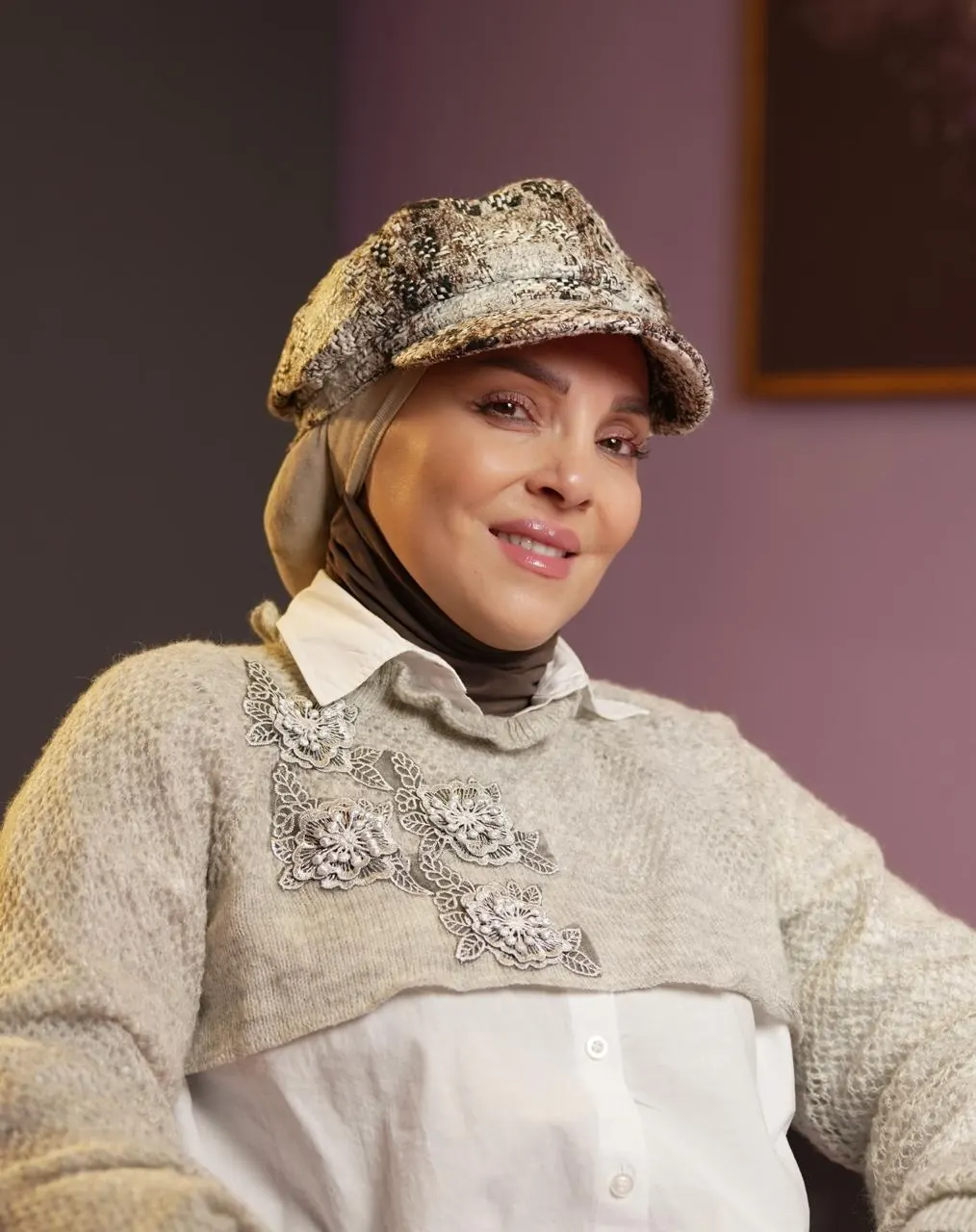
Faten Hassan is a Holistic Mental Health Practitioner with an academic Master’s Degree background in Family Sociology and advanced training in integrative emotional healing, CBT/ACT-based support, clinical hypnotherapy, and mind-body interventions.
Her work is designed for people who are not only struggling emotionally, but also carrying distress through the body: pain, fatigue, tension, stress-related symptoms, or psychosomatic concerns. She helps clients understand how thoughts, emotions, behaviors, relationships, nervous-system responses, and physical health influence one another.

Many clients arrive with anxiety, grief, trauma, self-doubt, overwhelm, or relationship pain. Others arrive because stress has become physical: chronic pain, fatigue, muscular tension, digestive discomfort, sleep disruption, or symptoms that intensify during difficult life seasons.
Faten’s work helps clients explore the connection between inner experience and the body’s responses without reducing physical symptoms to “just psychological.” The focus is on emotional processing, nervous-system regulation, coping, self-understanding, meaning, and quality of life, while respecting the role of medical care when symptoms need medical assessment or treatment.
Map the links between emotions, beliefs, stress, behavior, relationships, and body signals.
Use body-aware and nervous-system-informed tools to calm overwhelm and support coping.
Work with emotional wounds, limiting beliefs, meaning, and self-worth to support lasting change.
Care is individualized and collaborative, helping clients make sense of symptoms, emotions, relationships, life transitions, and the beliefs or behaviors that may keep suffering repeating.
Faten’s process is grounded, contained, adapted to client readiness, and focused on understanding the whole pattern: emotional triggers, body responses, protective behaviors, relational context, and the need for meaning.
Creating a calm, respectful space where emotional overwhelm can soften and the nervous system can begin to settle.
Exploring how thoughts, emotions, behaviors, stress, relationships, and body symptoms influence one another.
Using CBT/ACT-informed and body-aware tools to shift coping patterns, limiting beliefs, avoidance, and stress responses.
Helping clients reconnect with purpose, identity, self-worth, and a healthier relationship with the body.
Faten’s practice brings together psychological tools, body-aware regulation, relational understanding, and meaning-centered healing so clients can work with the full shape of their suffering.
View credentialsLooks at symptoms within family, attachment, social pressure, and life-stage context.
Uses CBT/ACT-based methods to understand thoughts, emotions, behaviors, avoidance, and values.
Supports pain coping, stress reduction, emotional regulation, and nervous-system calming.
Connects healing with purpose, identity, self-worth, and personal transformation.
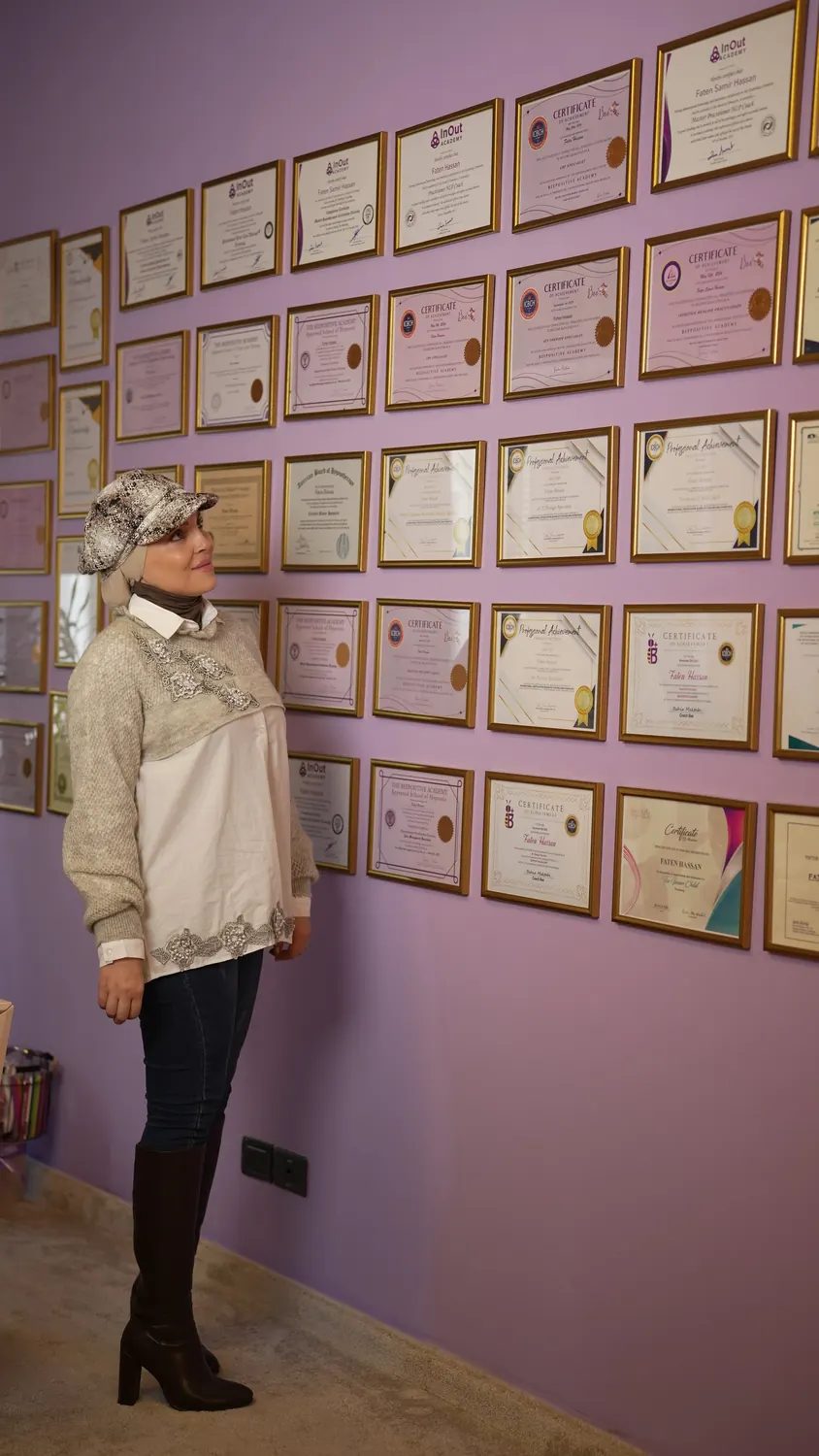
Master’s Degree in Family Sociology — Lebanese University
Accredited Holistic Practitioner — IPHM (UK)
Master CBT & ACT Therapy Specialist — ICBCH
Certified Parenting Coach — ICBCH
Trained in Art Therapy — ICBCH
Certified NLP Master Coach — ABNLP
Master Coach — Bee Positive Academy
Certified Hypnotist — ABH
Certified Master Practitioner — Time Line Therapy Association
Trainer in Life Purpose & Meaning Discovery (Logotherapy)
Active Member — Victor Frankl Institute (Vienna)
Professional Member — Lebanese Syndicate of Clinical Hypnotherapy
Each service is individualized and collaborative, combining evidence-based psychological techniques, meaning-centered practice, clinical hypnotherapy, and mind-body interventions where appropriate.
Support for emotional distress that affects mood, behavior, relationships, sleep, tension, and body responses.
Regulation and coping support for people living with chronic pain, fatigue, muscular tension, or stress-related symptoms.
Exploring how emotions, stress, nervous-system activation, and life context may influence physical wellbeing.
Support for unresolved emotional experiences that continue to affect safety, trust, relationships, and the body.
Evidence-informed work with thought-emotion-behavior patterns, acceptance, values, and committed action.
Consent-based hypnotherapy used to support relaxation, focus, emotional conditioning, and inner resource building.
Support for self-esteem, boundaries, attachment patterns, self-protection, and healthier connection with others.
Support for purpose, identity, limiting beliefs, self-sabotage, inner balance, and deeper personal transformation.
Many people fit more than one category. This guide simply clarifies the first focus for support, not a diagnosis.
Support for anxiety, overwhelm, emotional pain, and stress patterns that affect mood, behavior, relationships, and the body.


These answers help visitors understand the mind-body focus while keeping medical boundaries clear.
Adults experiencing emotional distress, anxiety, trauma-related challenges, grief, low self-worth, relationship patterns, chronic stress, chronic pain, psychosomatic symptoms, chronic fatigue, or the psychological impact of long-term health conditions.
Yes. The focus is on stress reduction, emotional regulation, nervous-system support, coping, and improving quality of life alongside appropriate medical care.
Psychological and mind-body support can help individuals cope with the emotional, behavioral, and nervous-system factors that may influence stress, pain perception, and quality of life. Services do not diagnose, treat, or cure medical conditions and do not replace medical care.
CBT, ACT, Meaning-Centered Therapy / Logotherapy, Clinical Hypnotherapy, Time Line Therapy, emotional processing, and mind-body / nervous-system-informed approaches, adapted to each client’s readiness and goals.
Yes, when appropriate and with informed consent. Clients remain conscious, aware, and in control at all times.
An initial consultation allows exploration of concerns, expectations, and suitability. Participation is voluntary, collaborative, and consent-based.
Located at Al-Makassed Building, 4th floor, Uruguay St., Beirut-DownTown, Lebanon.